Posts

Field Work and Cultural Exchange
Image
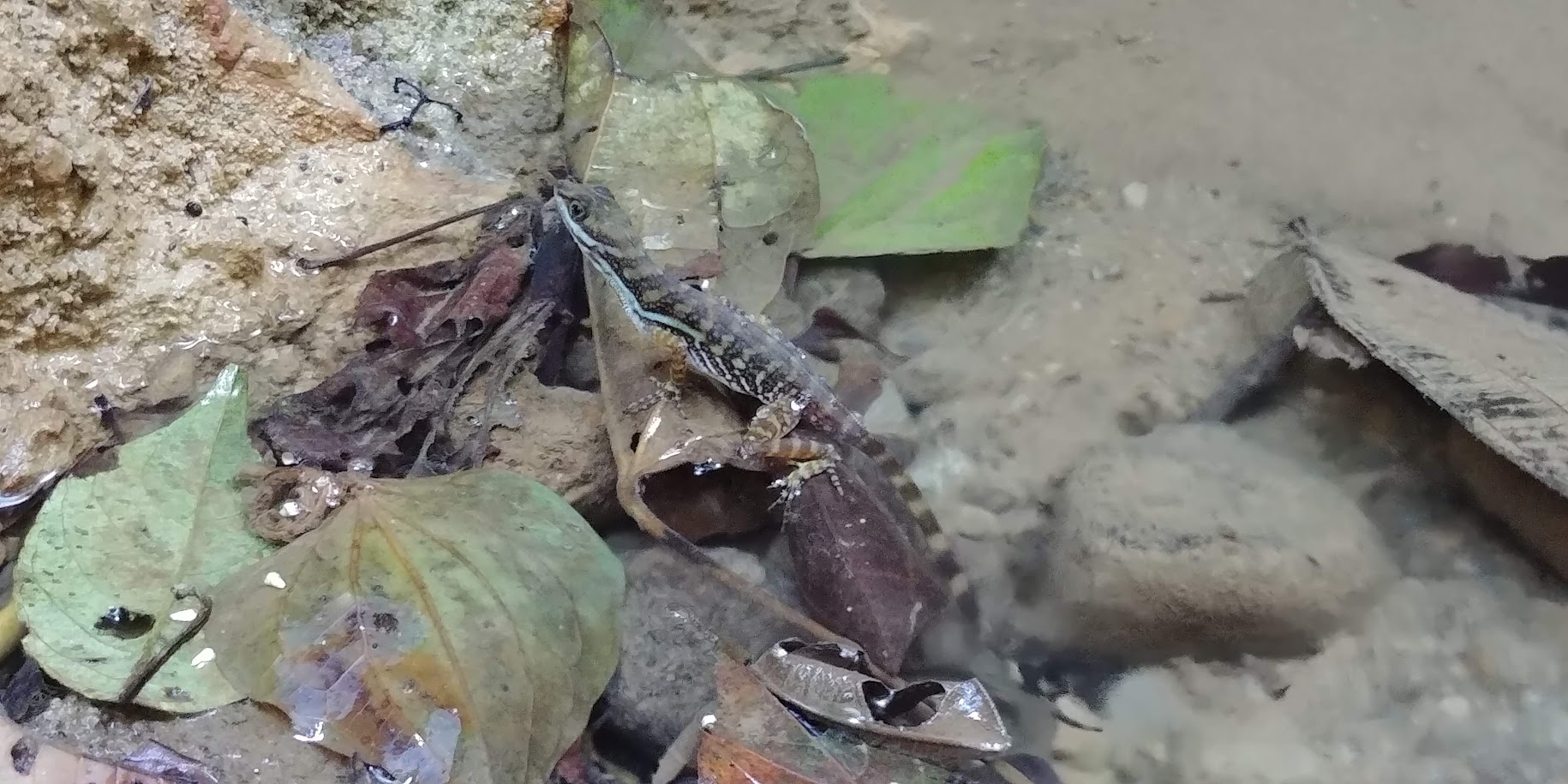
We spent most of today doing field work for our research project. Since we had marked all our points in the GPS, we went back to them to collect more light measurements and our data on soil texture and the depth of the A horizon or organic matter layer. To collect our soil data, we dug next to our selected clusters of ginger until the top dark organic layer was exposed and transitioned into the B horizon. We measured the depth of the A horizon and used a "hand test" to classify the B horizon as either clay, soil, or sand. To distinguish which soil texture, we grabbed a hand full of soil and rolled it into a ball then try to elongate it between our hands. If the soil did not hold a shape at all then it was classified as sand, if it stays in a ball but doesn't hold together when elongated then it is silt, lastly, if the soil is completely malleable then it is clay. A very high tech classification system. Next, we did the same measurements for two controls which were long st...

First Day in the Field

Image
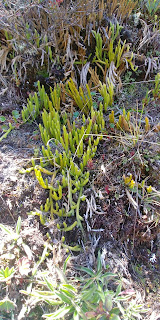
Today was our first day in the field, I was so anxious to start this morning! To start off, Rodo, the biologist for the station, came out with us to familiarize us with identifying the Shampoo Ginger (Zingiber spectabile). I enjoyed learning from him, he showed us identifying characteristics other than the fluorescent, which is the colorful pinecone-like head. There is a native species of ginger called the Acostas (Renealmia cernua) , the leaves are similar to the Shampoo Ginger but the flower grows at the crown of the plant and is yellow. The most interesting way to distinguish the two gingers was through smell. If you pull off a leaf and crush it between your fingers the Shampoo Ginger smells like ginger, and the native ginger smells like cinnamon. This was so interesting to me! For our research project, we took GPS points at 20 different ginger plants that were about 60 paces apart from each other. We used the Lux Light Meter to measure how much light is hitting the center of the c...

Exploring and Brainstorming

Image
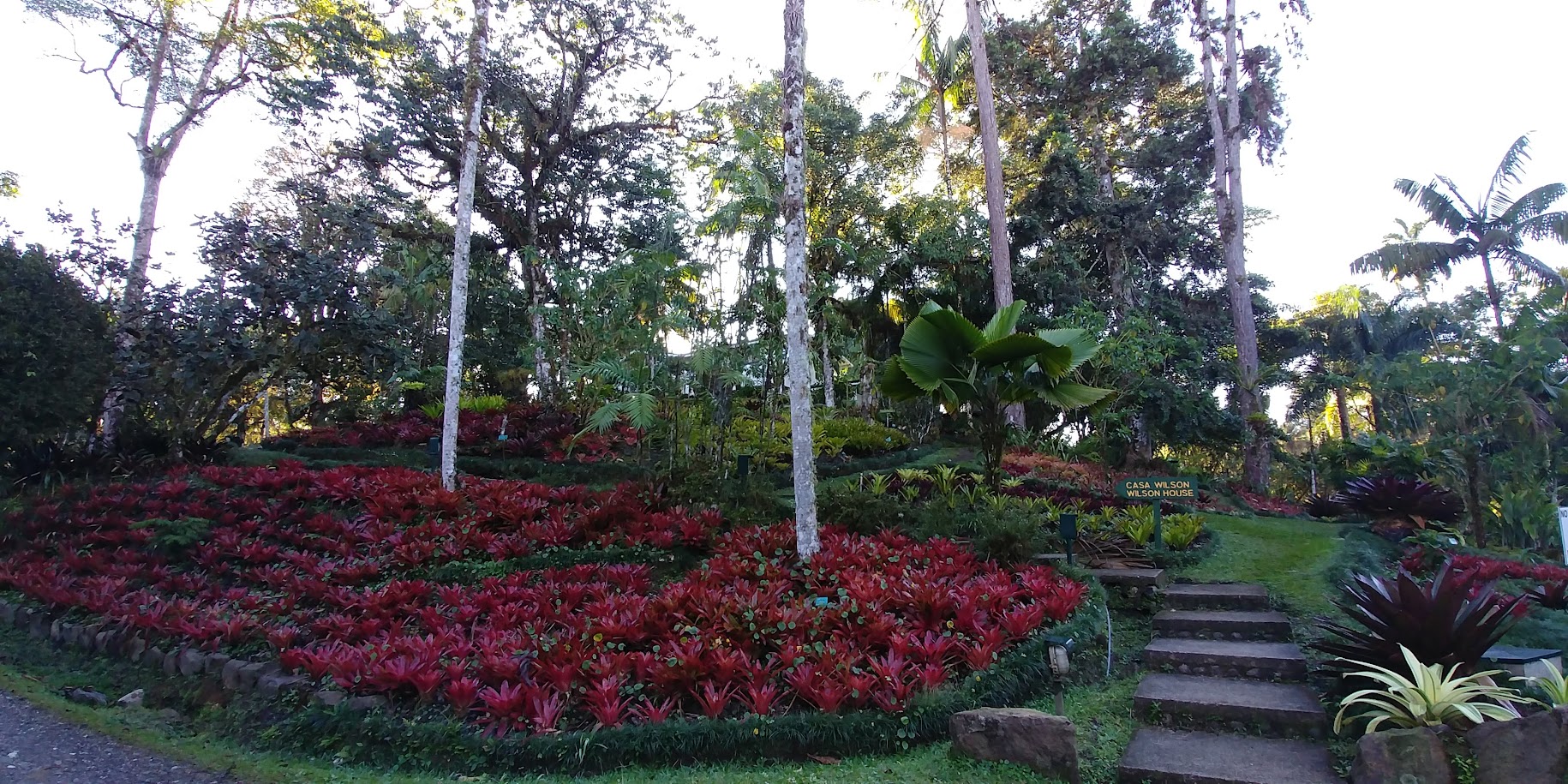
Today was so great! We started off with a tour of the botanical gardens around the station led by the biologist stationed here. He gave us a short history of the area and showed us so many types of native and non-native plants. The area we are in used to be pasture land about 60 years ago, when the Wilson's came along they planted the 2nd largest collection of plants in the world. There are about 3000 different species and 40% of them are native. This diversity draws in 415 species of birds in Las Cruces and various mammals. Then we hiked the forest to Rio Java, seeing the rainforest in real life was so different than I had expected. It was dense with vegetation and it was so beautiful! After our tour, we met with our mentors to brainstorm our projects. I will be studying the Shampoo Ginger with Mike Helm. The Shampoo Ginger is an invasive ornamental plant and there is very little known about it. We decided to do a broad study on the types of growing conditions it prefers. We will...

Day 1

Image
I originally arrived to San Jose on Sunday morning around 8 AM. I think the first thing I noticed when we landed was the weather. It was so hot and humid and I absolutely love it! Winter is my least favorite season, so being here in the tropical climate feels so great to me. After I got settled into the hotel, I walked around their botanical gardens they have. I was so amazed by the diversity of plants just at the hotel. While walking around I met some other students that were also from the United States. They were on a service project and were going to clean up beaches and visit a monkey sanctuary. Around noon, I ended up sleeping the rest of the day until we all met up at 6 PM for dinner. I was exhausted after travelling so almost immediately after dinner I went to bed. However, after the stress of traveling I am so very excited about the opportunity to be here and I feel so grateful for this opportunity!

Traveling to Las Cruces

Image
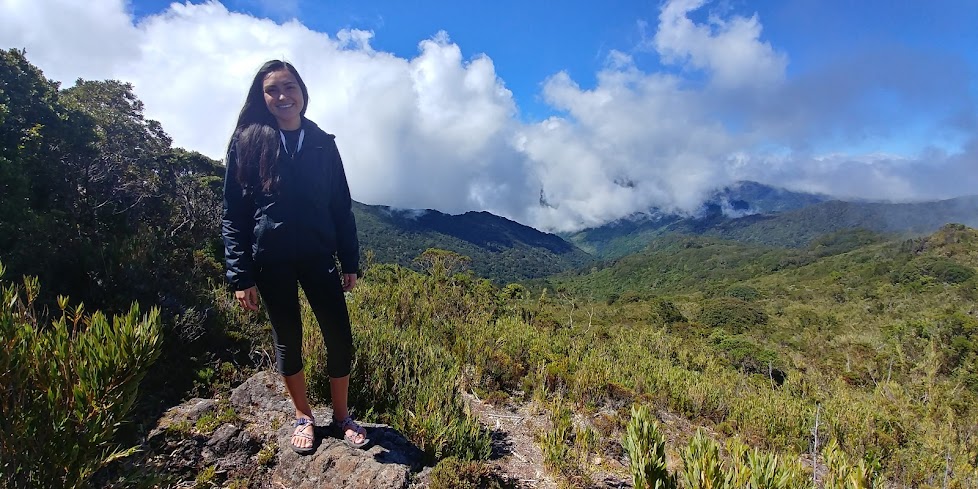
Today we took a bus to Las Cruces Biological Station. Even though the ride was long, it was so amazing to see the landscape of Costa Rica. We saw the city, towns, pineapple farms, and the Paramos. The Paramos was so unique, the microhabitats had so many different types of flora. There are also so many diverse species of flowers and so many birds! Everytime we stopped somewhere there was something new to see.